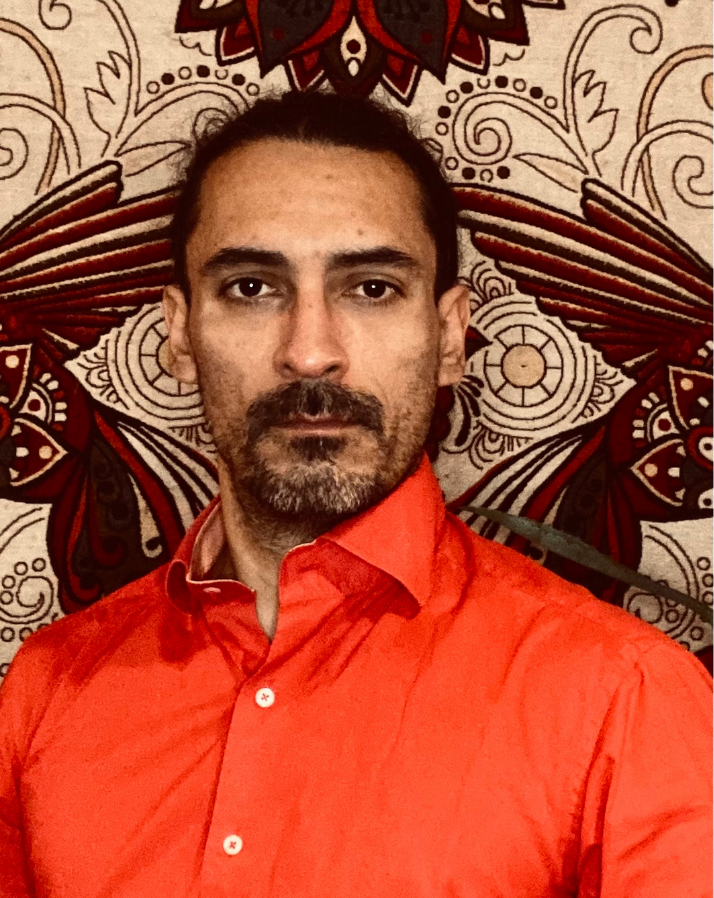
Humberto Tapia is a Mexican visual artist whose practice explores the human condition through themes of nature, memory, mortality, myth, and intimacy. For Tapia, visual art is a means of discovering both the world and human relationships.
His work often draws on cultural phenomena and landscapes rooted in his homeland, while simultaneously addressing universal questions of existence and finitude.
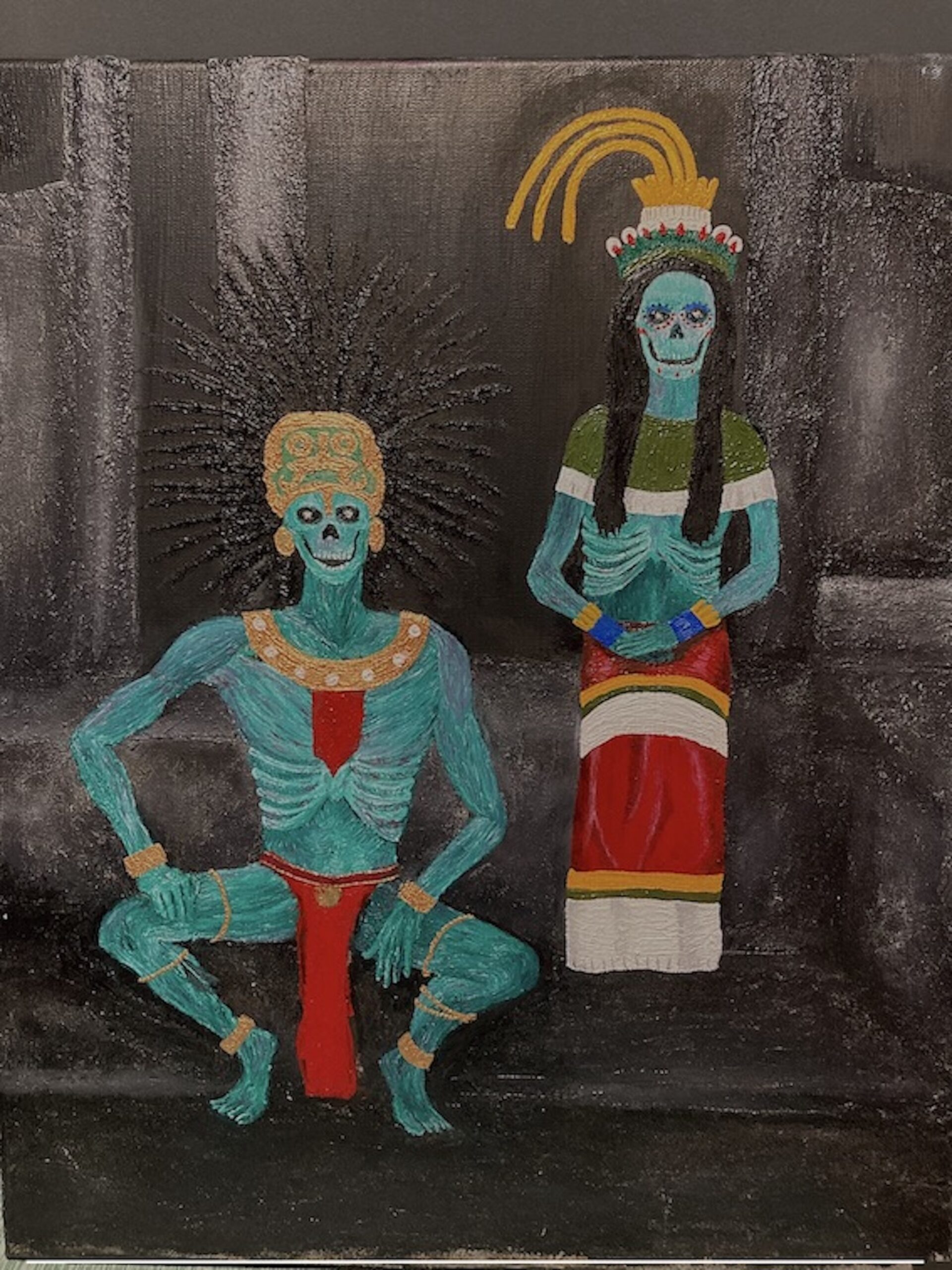
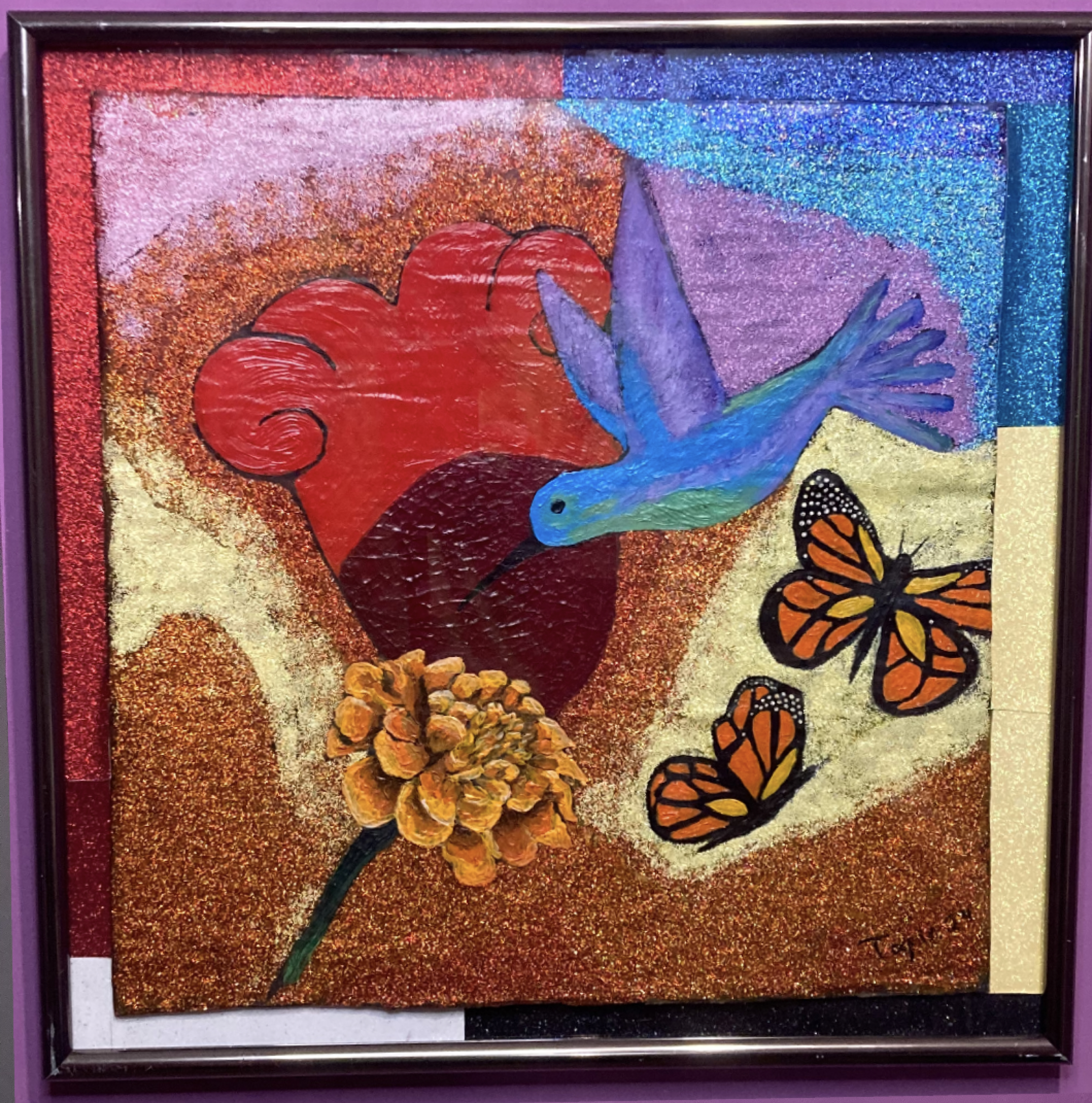
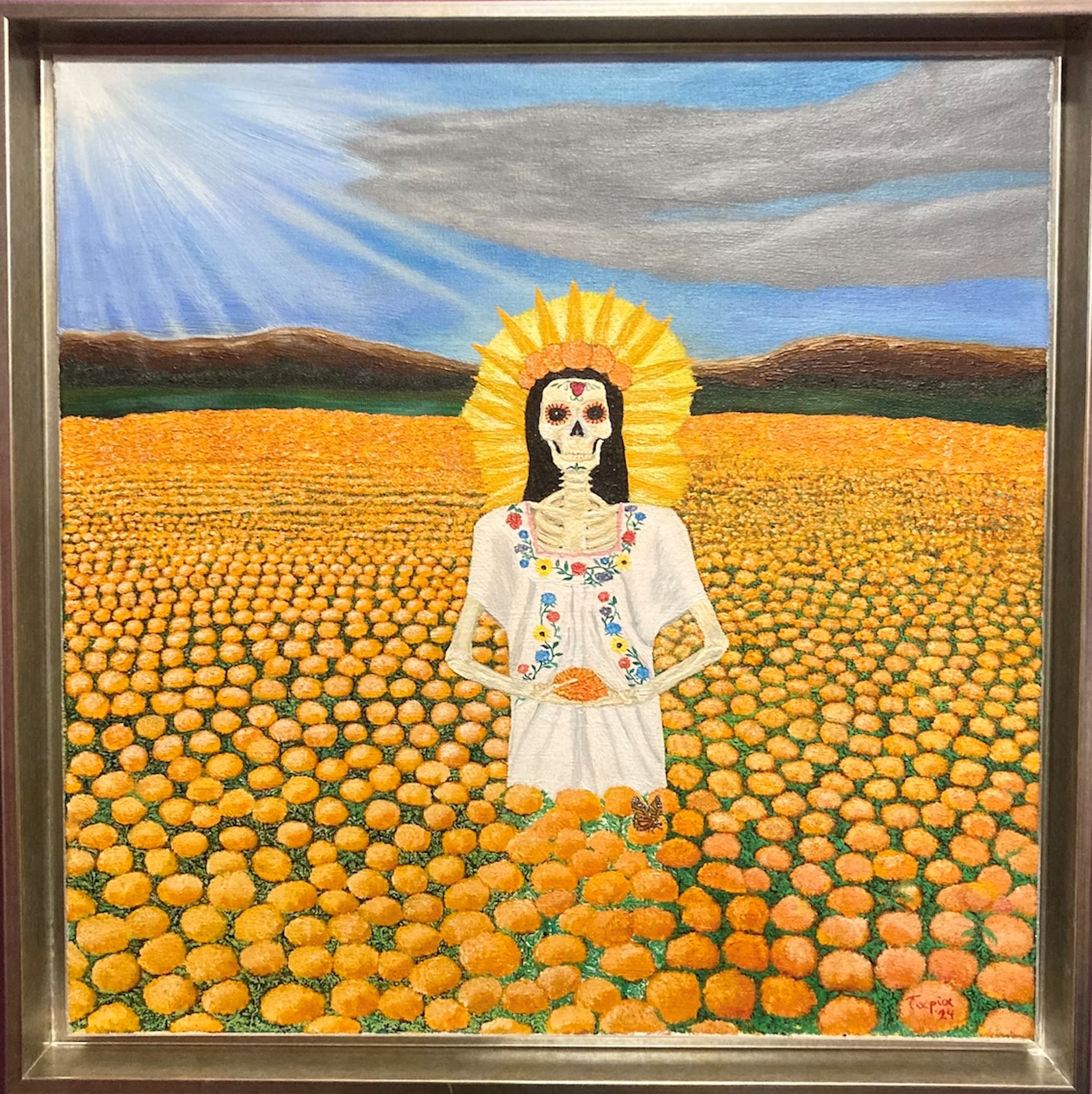
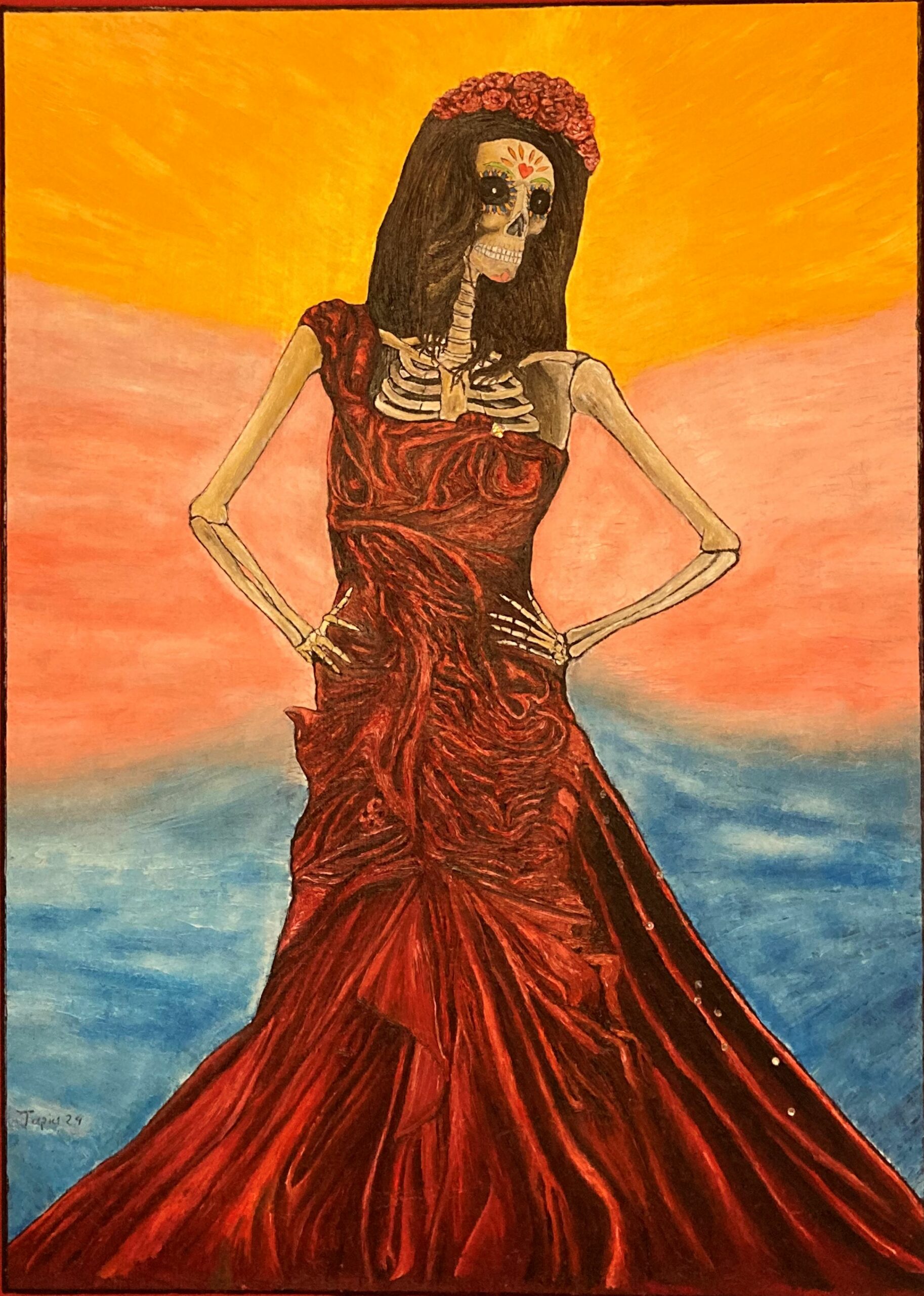
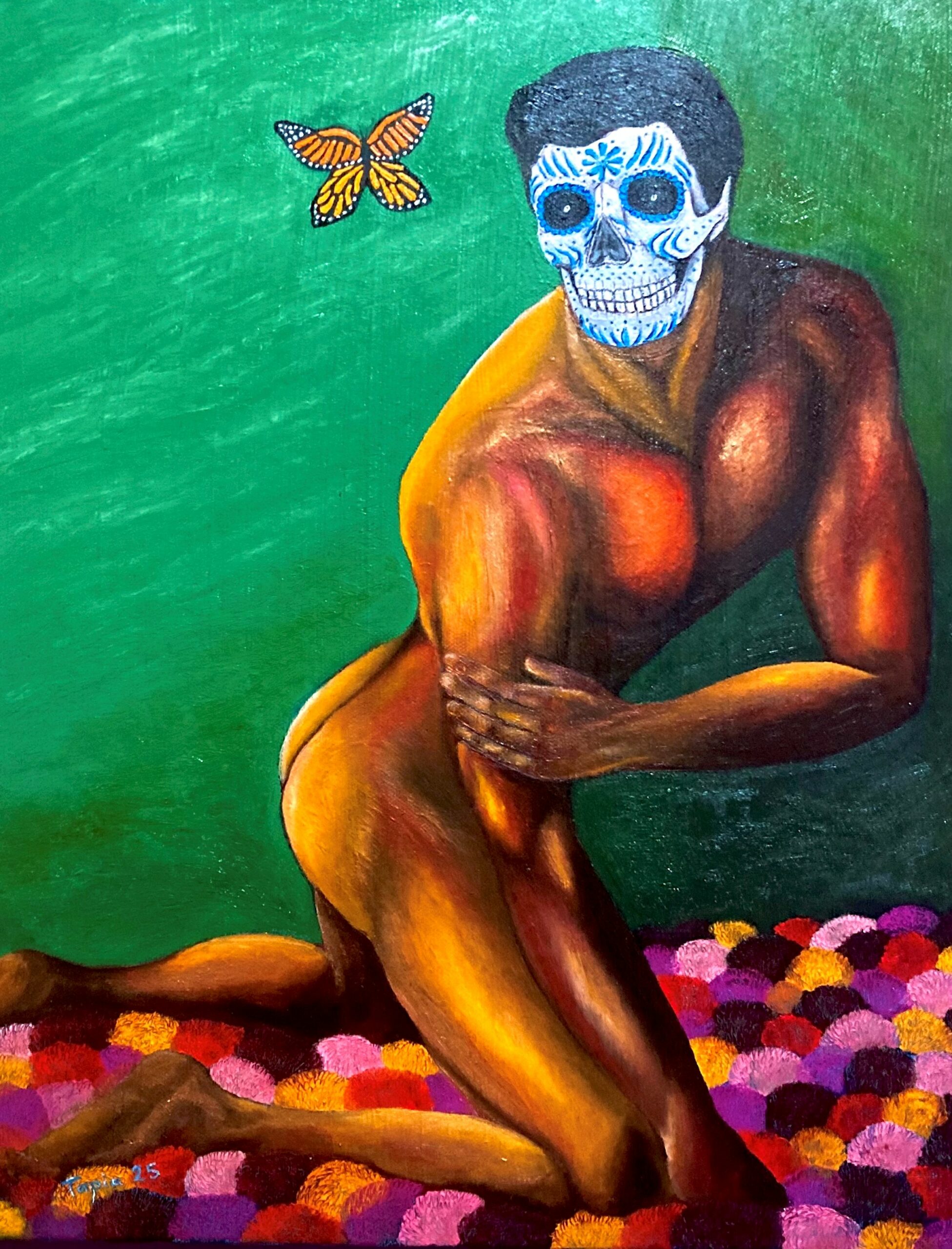
A central focus of his recent work is the relationship between life and death, particularly as expressed in Mexican cultural traditions. His current body of work is largely dedicated to Día de Muertos, where death is not perceived as an end, but as part of a continuous cycle. Inspired by indigenous Mexican cosmology, Tapia references the journey to Mictlán, the symbolism of the Cempasúchil (flowers of the dead), and natural phenomena such as the monarch butterfly’s arrival in Michoacán, which is traditionally interpreted as a sign of the presence of the deceased. Memory, in his work, functions as a living connection between the living and the dead.
Alongside these themes, Tapia engages with erotic art as a personal and conceptual project. Responding to societal taboos surrounding sexuality, he views eroticism as a communicative and liberating force. Through explicit artistic expression, he seeks to challenge inherited moral constraints and invite viewers to reflect critically on their own sexuality.
Trained as a neurosurgeon and currently practicing in Germany, Tapia’s artistic work is deeply informed by his medical understanding of the human body and mind. His practice bridges scientific knowledge and artistic inquiry, positioning art as a space where biological, emotional, and cultural dimensions of human life intersect.
他近期作品的一个核心关注点是生与死的关系,尤其体现在墨西哥文化传统之中。他目前的主要创作大多围绕亡灵节(Día de Muertos)展开,在节日中死亡不被视为终点,而是循环的一部分。受墨西哥原住民宇宙观的启发,塔皮亚(Tapia)参照了通往米克特兰(Mictlán)的旅程、塞姆帕苏奇尔(Cempasúchil,亡灵之花)的象征意义,以及诸如帝王蝶抵达米却肯州(Michoacán)等自然现象——这一现象在传统中被解读为逝者存在的象征。在他的作品中,记忆充当着生者与逝者之间活态的联结。